



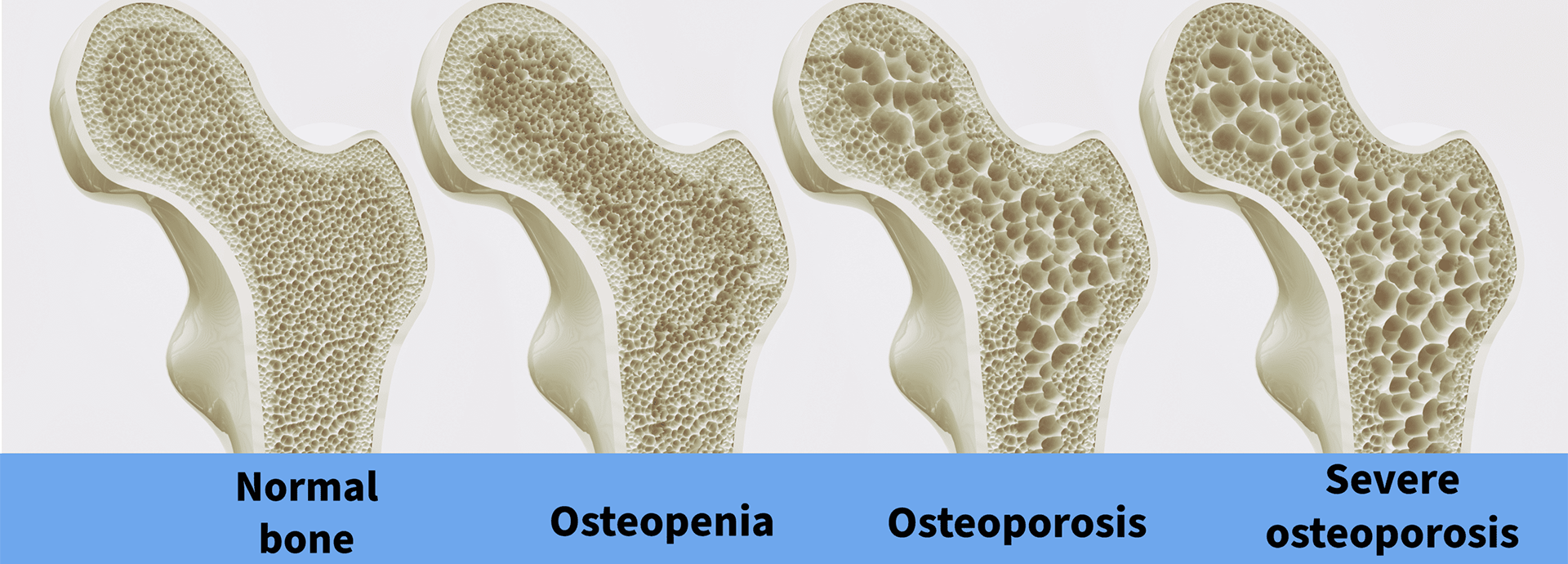
Why you should get checked for osteoporosis ?
1. It is silent disease
2. Your bones including spine may already be affected !
3. You may break hip, wrist, shoulder and spine with a minor fall. And these changes your life for good
4. Early detection means prevention
5. You may be already at risk without knowing it.
6. You should not weight a fracture a tell you, “your bones are weak”
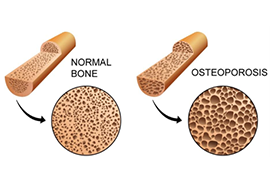
What is Osteoporosis?
Osteoporosis is a condition where your bones becomeweak, thin, and fragile. After menopause, women lose bone strength much faster due to a drop in oestrogen, a hormone that protects bone.This makes them more likely to break—even after a minor fall or sometimes without any injury at all.
Why Is It Important After Menopause?
After menopause, bone loss accelerates silently. Many women don’t realise they have osteoporosis until they sustain a fracture.
The most commonly affected areas are:
• Spine (vertebrae)
• Hip
• Wrist
• Shoulder
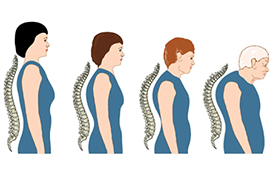
Spine Problems You May Develop
The spine is often the first place osteoporosis shows its effects.
1. Silent Vertebral Fractures
• Small cracks or collapses in spinal bones
• Can occur without a fall
• Often mistaken for “normal back pain”
2. Loss of Height
• You may notice your clothes fitting differently
• Gradual loss of a few centimetres
3. Stooped Posture (Kyphosis)
• Also called a “dowager’s hump”
• Leads to imbalance and increased fall risk
4. Chronic Back Pain
• Due to multiple small fractures
• Pain may worsen with standing or walking
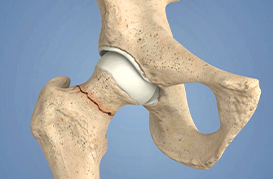
You are likely to break a bone
Hip Fractures
• Usually after a minor fall
• May require surgery
• Can lead to long-term disability
Wrist Fractures
• Often the first warning sign
• Happens when trying to break a fall
Shoulder & Pelvic Fractures
• Painful and slow to heal
• Affect independence and mobility

Who Should Get Checked?
You should consider screening if you:
• Are over 50 years old
• Have reached menopause
• Have back pain without a clear cause
• Notice loss of height or posture changes
• Have had a fracture after a minor fall
• Have a family history of osteoporosis
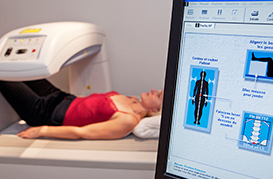
How Is Osteoporosis Detected?
• Clinical assessment
• Bone Density Scan (DEXA)
Simple, painless scan, Measures bone strength
• Risk Assessment
We FRAX to estimate your future fracture risk.

Why Early Detection Matters
If detected early:
• Bone loss can be slowed or even partially reversed
• Risk of fractures can be significantly reduced
• You can maintain independence and mobility
• We could treat your condition
If ignored:
• It may be little late when you detect it
• Fractures may occur suddenly
• Recovery can be difficult, especially for hip fractures
• Persistent back pain
• Height loss or spinal deformity development

What Can You Do Now?
• Meet me at your earliest convenience
• Will assess you
• Get your bone density checked
• Maintain adequate calcium and vitamin D
• Advice on exercises and physical activities
• Improve posture and balance
• Seek medical advice early