




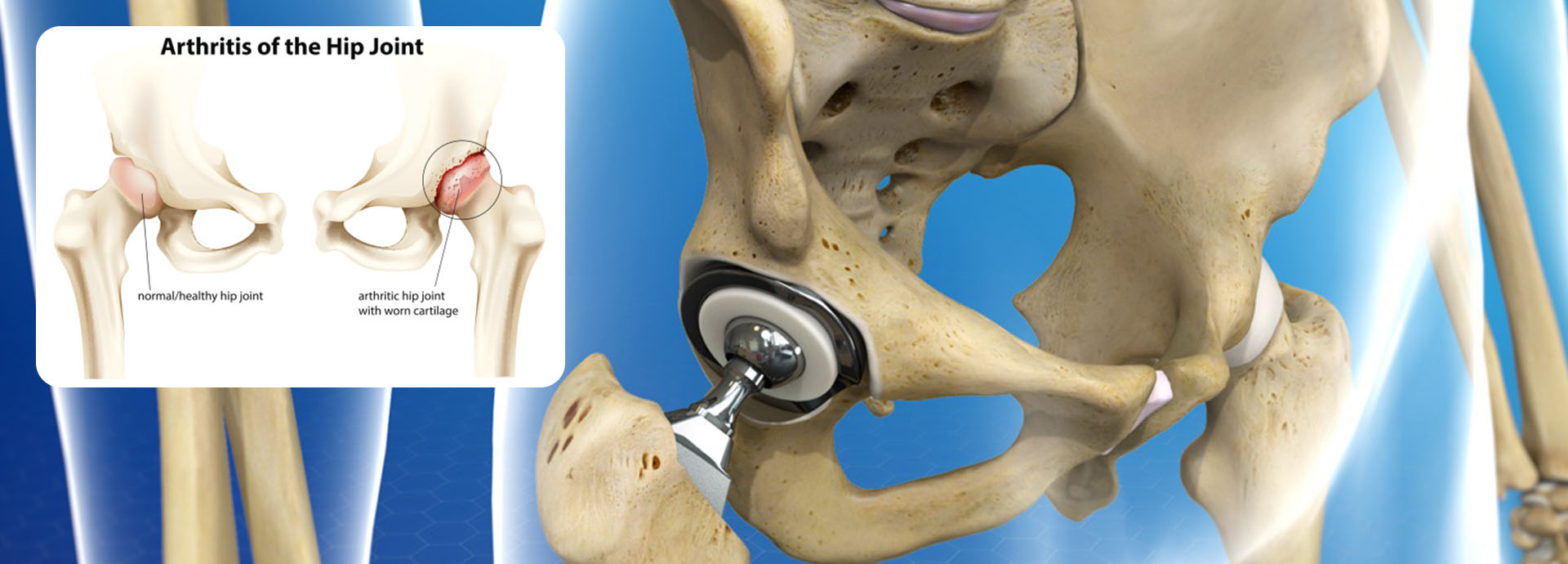
When Is a Hip Replacement Needed?
A hip replacement may be recommended when the hip joint can no longer support comfortable walking or daily activities. Common causes include severe osteoarthritis, hip fractures, avascular necrosis (collapse of the hip ball), developmental abnormalities of the hip joint, and rheumatoid arthritis. These conditions can lead to severe hip pain, stiffness, reduced movement, and difficulty walking.
In advanced arthritis or after certain fractures, the affected leg may become shorter, causing a limp. In some cases, failed previous hip fracture surgeries may also require a total hip replacement.

Will Hip Replacement Relieve Pain and Improve Walking?
Yes. Hip replacement surgery is designed to relieve pain and restore mobility. Most patients experience significant pain relief and improvement in walking ability after recovery. The procedure may also help to:
1. Improve hip movement and flexibility
2. Improve walking, sitting, and overall mobility
3. Reduce the need for long-term pain medication
4. Restore independence and reduce disability
5. Improve quality of life and daily function
6. Allow easier participation in social and family activities
7. Reduce strain on the opposite hip and knees
8. Decrease the need for repeated clinic visits
9. Provide many additional long-term benefits

Can Medication Cure Severe Hip Arthritis?
No. Medications cannot reverse advanced hip arthritis or permanently repair a damaged joint.
Many products such as “cartilage-building” tablets, oils, powders, injections, and supplements are heavily advertised, but none can restore a severely damaged hip joint. Some anti-inflammatory medications may temporarily reduce pain and swelling, but symptoms usually return once the medication wears off.
For advanced arthritis, the definitive treatment is hip replacement surgery.
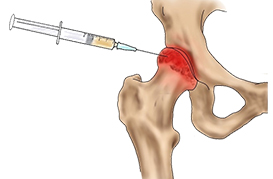
Do Hip Injections Help?
Hip injections may provide temporary symptom relief, especially during the early stages of arthritis. PRP (Platelet-Rich Plasma) injections may help selected patients with mild disease.
However, injections generally provide limited benefit in moderate to severe arthritis and do not cure the condition.

Is Hip Replacement a Major Surgery?
Yes. Hip replacement is considered a major orthopaedic operation.

What Is the Ideal Age for Hip Replacement?
Hip replacement is commonly performed in patients between 55 and 75 years of age. However, depending on symptoms, joint damage, activity level, and overall health, some patients may benefit from surgery outside these age limits.

What Type of Anaesthesia Is Used?
The procedure may be performed under:
• General anaesthesia – where you are fully asleep
• Spinal anaesthesia – where the lower body is numbed while you remain awake or lightly sedated
Your anaesthetist will discuss the most suitable option for you.
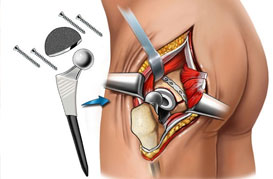
What Happens During Hip Replacement Surgery?
I ll make an incision either at the side or back of the hip to access the joint.
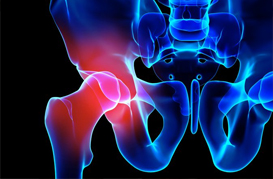
The hip is a ball-and-socket joint. In arthritis and related conditions, both surfaces may become damaged.
During surgery:
• The damaged socket is reshaped and fitted with an artificial socket component
• The damaged femoral head (ball) is removed
• A new artificial ball and stem are inserted into the thigh bone
• The new ball and socket are then positioned together to restore joint movement
If the bone quality is weak, bone cement may be used to secure the implants instead of screws.
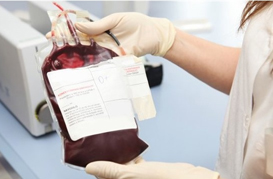
Is There Significant Blood Loss?
Blood loss during surgery is usually moderate, commonly around 100–250 ml.
Is the Surgery Painful?
Modern pain management techniques are used during and after surgery to keep discomfort under good control. Some soreness and discomfort are expected initially, but this gradually improves during recovery.

Will I Be Bedridden for a Long Time?
No. Early mobilisation is encouraged.
Most patients are helped out of bed the morning after surgery. Physiotherapy begins early, and patients are encouraged to sit, stand, and walk with support such as a walking frame.
Before discharge, you will usually practise walking and climbing a few steps safely.

When Can I Go Home ?
Most patients stay in hospital for approximately two nights after surgery, depending on recovery progress and medical condition.

What Should I Do After Returning Home?
You should:
• Continue medications as instructed
• Follow the recommended physiotherapy programme
• Follow movement precautions advised by your surgeon and physiotherapist
• Attend scheduled follow-up visits
You will receive guidance on safe activities and movements during recovery.

When Is the First Follow-Up Visit?
The wound is usually checked one week after surgery.
If surgical clips or staples are used, they are generally removed around two weeks after the operation.

When Can I Have a Shower?
It is usually recommended to keep the wound dry until clips or staples are removed.
You may shower using a waterproof covering over the wound. After approximately two weeks, showering is generally safe unless advised otherwise.

Do I Need a Special Diet?
No special diet is required if you are otherwise healthy. You may continue your regular balanced meals unless your doctor advises otherwise.

When Can I Drive Again?
You may return to driving once you are comfortable, confident, and able to control the vehicle safely. In general, driving and cycling are discouraged for approximately eight weeks after surgery.

My Question Is Not Listed
You may drive when you are comfortable. We would recommend not to drive, ride bicycles until after eight weeks